


Wildfirefighting: The technical tools for the job.
Rapid technological development offers new possibilities for detecting forest and wildfires at an early stage, tracking their further spread and initiating the appropriate countermeasures. Digital solutions have become important companions for the fire department. From locating the source of fires to real-time monitoring of fire fronts and optimized coordination of emergency services.
Fighting forest and wildfires requires close cooperation between man and machine. In this article, you will learn how firefighters can fight fires more effectively with the help of modern technology such as tablets, drones, satellite images and special additional equipment. We look at the importance of strategic planning and the challenges of operating in rough terrain.
The scale of a problem: forest and wildfires - a global threat
Worldwide, forest fires destroy several million hectares of land every year and leave devastating traces. The extent of forest fires in 2023 is alarming: according to Statista, around 11.9 million hectares of forest fell victim to flames in 2023. The causes range from natural phenomena such as lightning strikes to human activities such as carelessness, arson and slash-and-burn practices. The consequences are serious: loss of biodiversity, soil degradation, increased CO₂ emissions, air pollution and economic damage that often affects entire communities.
The fire department in action - a look behind the scenes
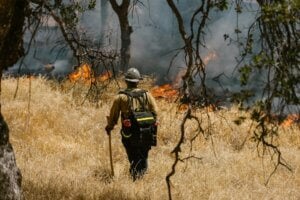
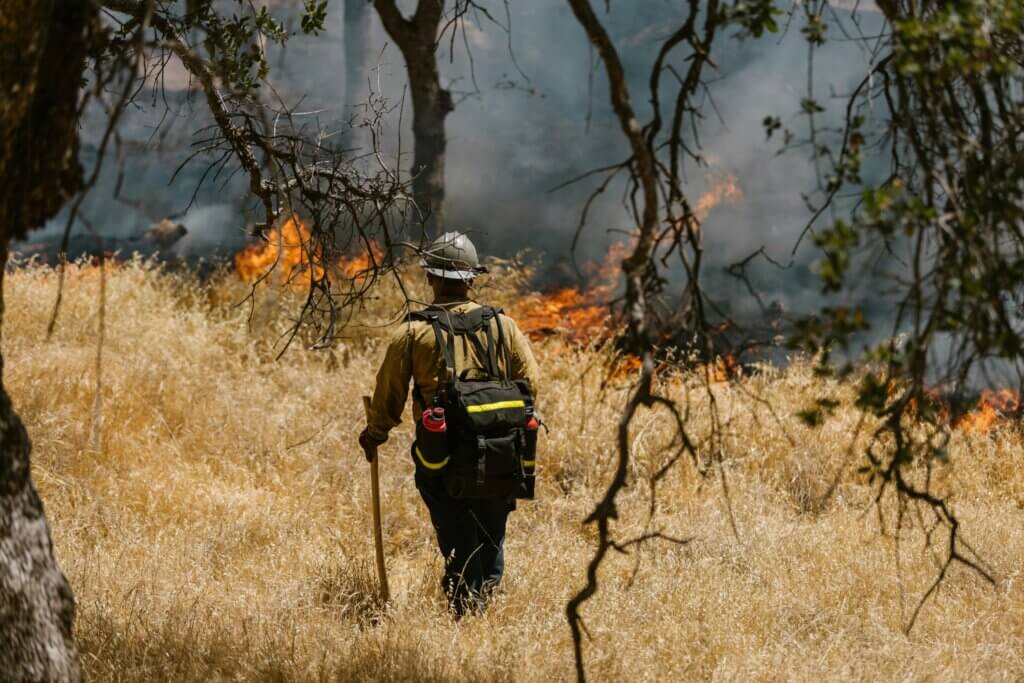
The work of firefighters responding to forest fires is characterized by a high level of commitment, physical exertion and mental strength. Their work usually begins abruptly and at inopportune times, as forest fires start without warning. As soon as the alarm is raised, the firefighters have to act as quickly as possible. Every minute counts to prevent the fire from spreading and to protect the surrounding area.
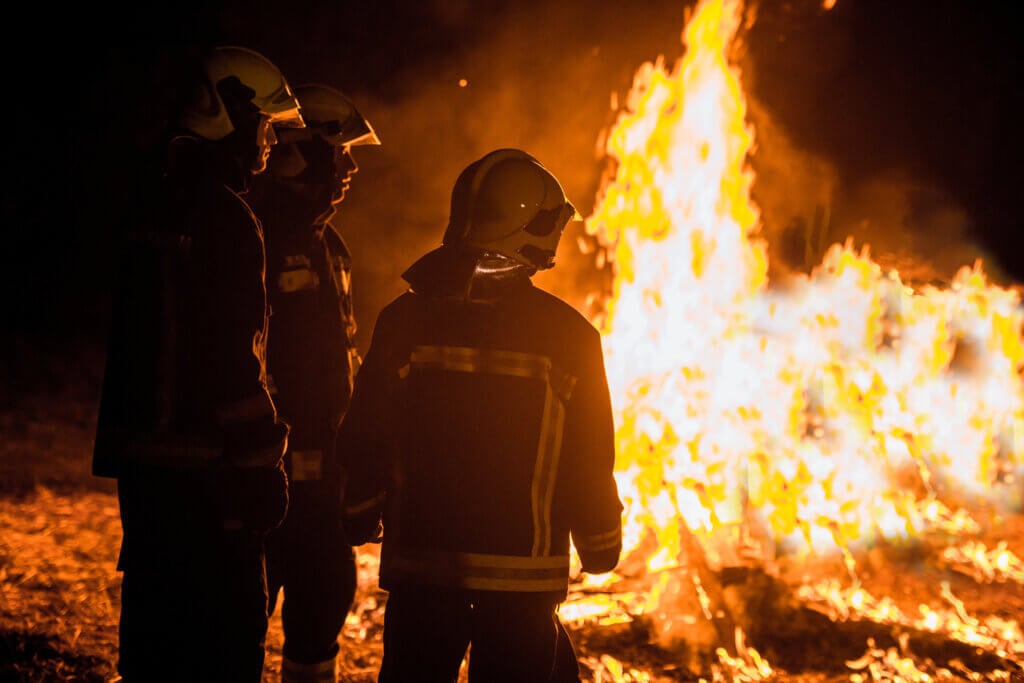
The challenges during operations are varied and demanding. The emergency crews are exposed to extreme heat and smoke, which severely impairs their vision and breathing. In such situations, breathing apparatus and special protective clothing are essential to minimize health risks. At the same time, forest fires are often found in impassable terrain, such as in mountainous areas, which make the use of vehicles difficult or even impossible. Firefighters therefore sometimes have to walk long distances with heavy equipment to reach the source of the fire.
Another significant factor is the time pressure, as the fire can spread very quickly, especially in dry weather conditions and strong winds. Any delay can make it even more difficult to control the fire and increase the risk to neighboring settlements or forests. Working quickly and efficiently is crucial, especially as the emergency services must always be mindful of their own safety.
The psychological strain on emergency services during such an operation should also not be underestimated. They are not only confronted with destroyed landscapes and charred trees, but also with the depressing realization that, despite all efforts, it is often not possible to prevent all damage. Such experiences require mental strength and a high degree of emotional resilience.
Effective action against forest fires is based on teamwork and coordination. Firefighters must be able to rely on each other blindly during operations, which is why clear communication and precise agreements are essential. The success of an operation depends on close cooperation and a high level of trust between the firefighters.
Operations involving forest fires become more frequent in the summer months, as rising temperatures and longer periods of drought favor the development of fires. Increasing forest and wildfires naturally also mean an increasing workload for the fire department. A large number of resources are required to meet the diverse requirements: fire engines and water tenders, helicopters for aerial support, breathing apparatus, hose material and suitable extinguishing agents are all part of the basic equipment for a forest fire operation.
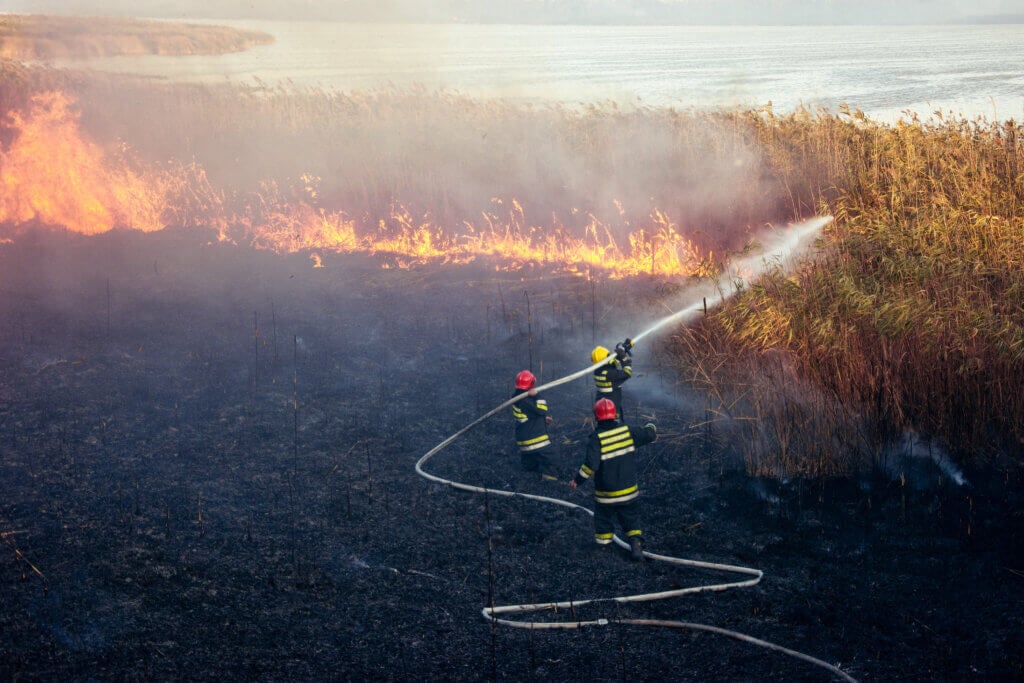
The duration of such an operation depends on various factors, including the size of the fire, the nature of the terrain and the current weather conditions. While smaller fires can be contained within a few hours, large areas of fire often require several days of intensive extinguishing work. Firefighters make an indispensable contribution to protecting nature and the population, often having to push themselves to their limits to successfully fight the fire.
The role of modern technologies such as drones and satellite imagery in fighting forest fires
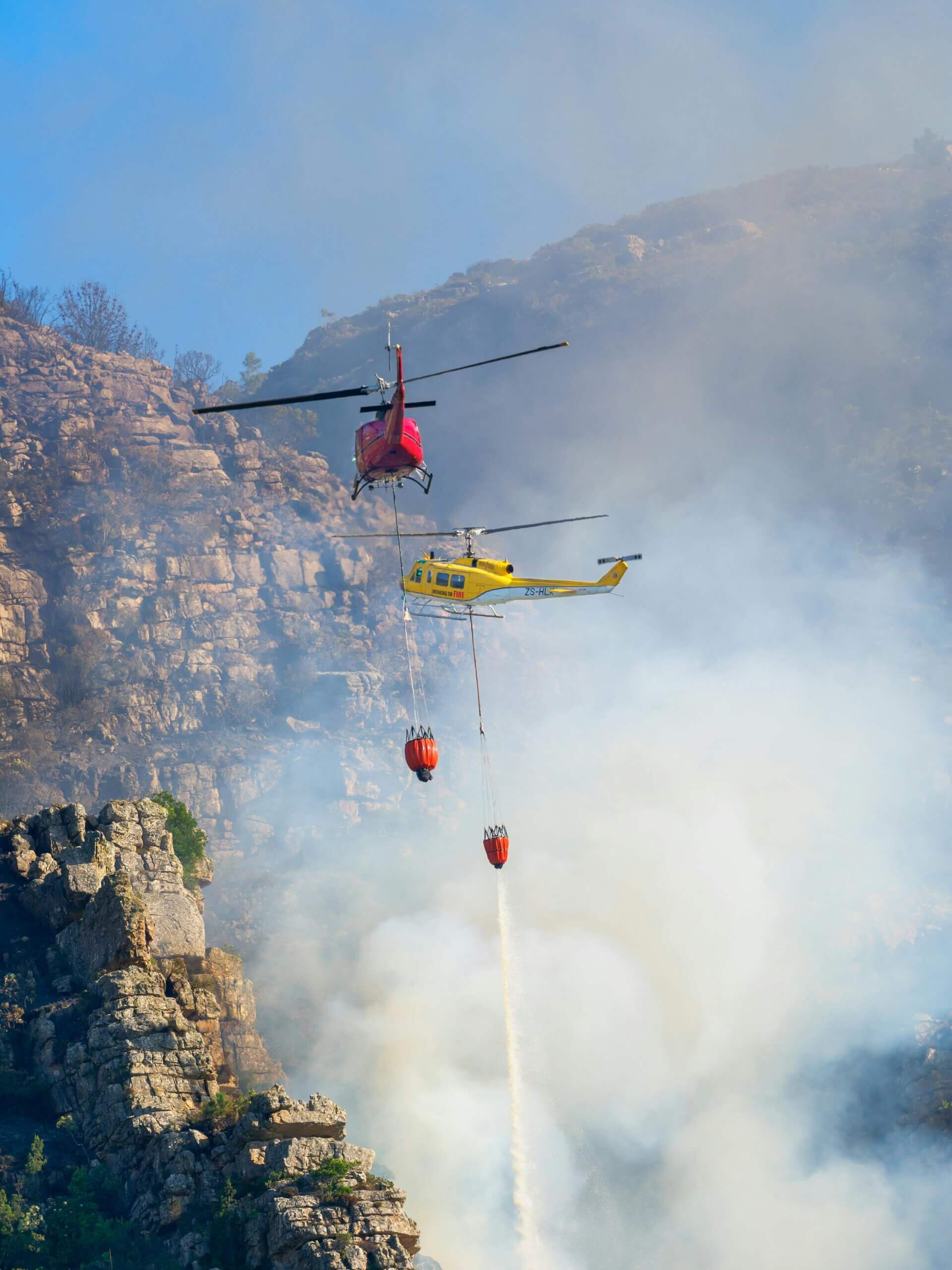
Traditional methods of fighting forest fires rely primarily on water cannons, hoses and simple hand tools such as shovels and hoes. These are used to fight the flames and create fire lines. In certain cases, controlled backfires are also set to weaken the main fire.
With the advent of modern technologies such as drones and satellite imagery, firefighting has evolved significantly. Drones provide real-time video and images of the fire area and support the emergency services with thermal imaging cameras that can detect hotspots even in smoke and darkness. In addition, they enable 3D modeling of the fire area for better spatial orientation and drones can also transport small loads such as extinguishing agents.
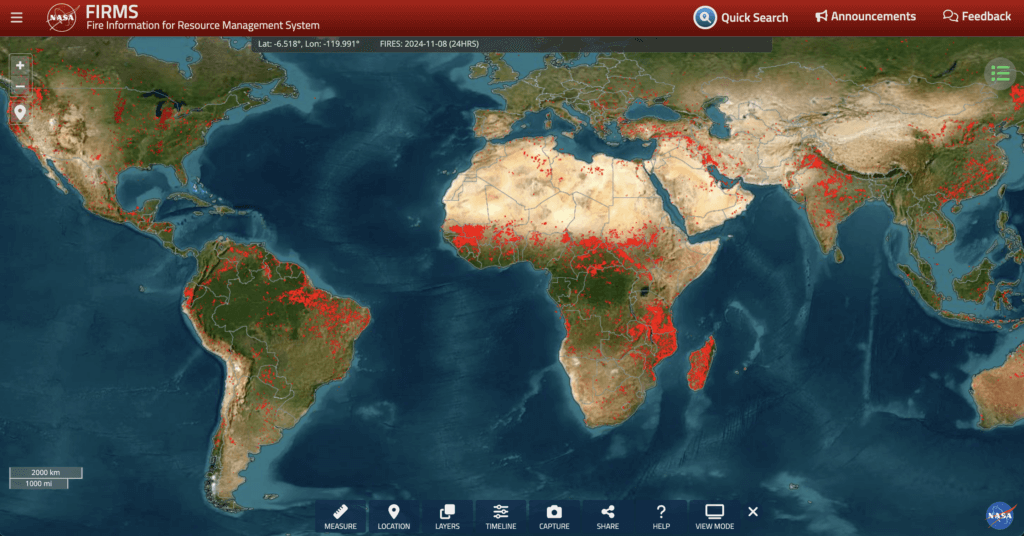
Satellite images also support the fire department by detecting changes in vegetation at an early stage and monitoring large areas. They also help with post-fire damage assessment. These technologies enable a faster response, reduce the risk to firefighters and contribute to cost-efficient response planning by reducing the need for expensive aircraft and helicopter operations. Overall, digital tools offer firefighters better control options and help to reduce the damage caused by forest and wildfires.
Digital and mobile helpers for the response teams
In recent years, more and more mobile devices such as tablets have become established among fire departments, which are equipped with special apps and can therefore make work easier. The use of special map apps in conjunction with drones is a very illustrative scenario.
Avenza Maps is a map app that can be used specifically for use in the field. With this app, it is possible to download detailed maps offline and navigate with them. It is also particularly helpful for firefighters, as it ensures precise orientation even in difficult situations.
With the additional use of drones, emergency services can monitor the scene from the air and enter the data obtained directly into the app and create maps by importing the data.
Avenza Maps supports the fire department in the planning and execution of operations by providing an up-to-date and detailed overview of the operational area. The app can be used to search for missing persons, to localize the source of fires or to coordinate emergency services.
Tablets in fire department operations
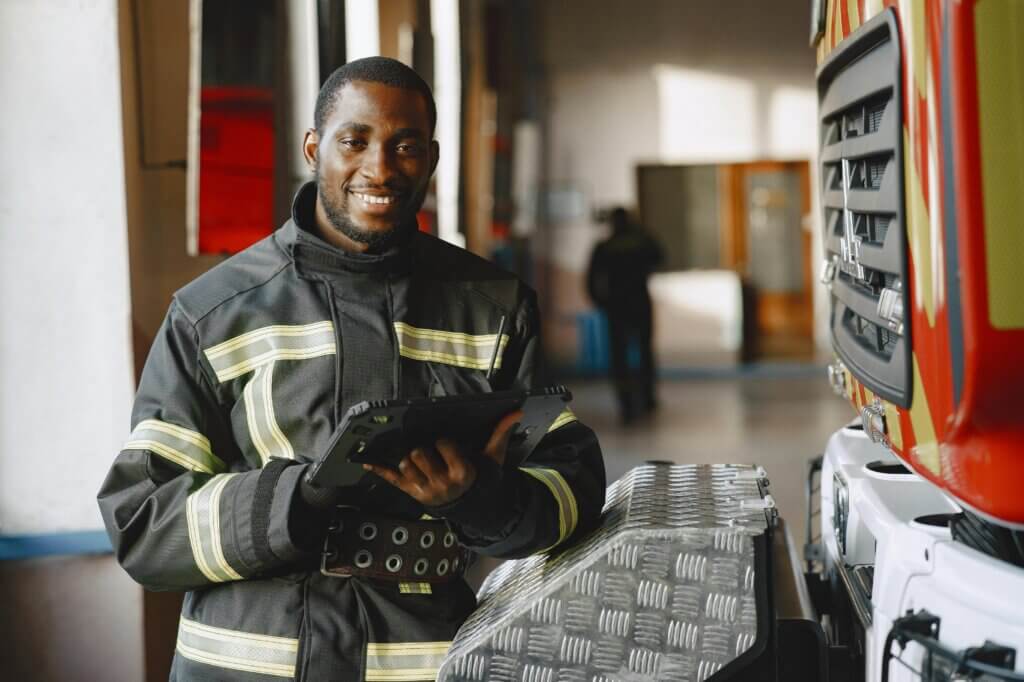
Firefighters use tablets to read map data on site, create maps and maintain communication with colleagues and the incident command. However, consumer tablets quickly reach their limits in our extreme “firefighting and rescue” scenario described above, as they quickly fail under the effects of intense heat in the operational area or malfunction, such as suddenly propping up and shutting down.
The operating time of consumer tablets does not last for several hours and batteries cannot be hot-swapped, as is the case with professional solutions, as they are permanently installed.
You should therefore opt for secure and more robust solutions that have already proven themselves in many outdoor applications under extreme conditions – so-called rugged devices. We are experts in this field and offer you the right tablets that we have developed specifically for these extreme situations.
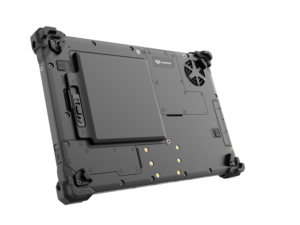
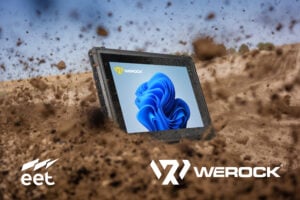
Our Rocktab series are robust, high-performance tablets with long operating times, making them the perfect and reliable companions for demanding conditions. They are IP65 certified and can withstand drops and dust as well as rain, dirt, extreme heat and freezing cold. The Rocktab series is also temperature tested to military standard MIL-STD-810G from -20° C to +60° C.
The Rocktab series is available in different sizes and with different features. You are welcome to take a look: https://www.werocktools.com/rugged-tablets/
Ruxton Pack: The perfect ergonomic addition for carrying comfort
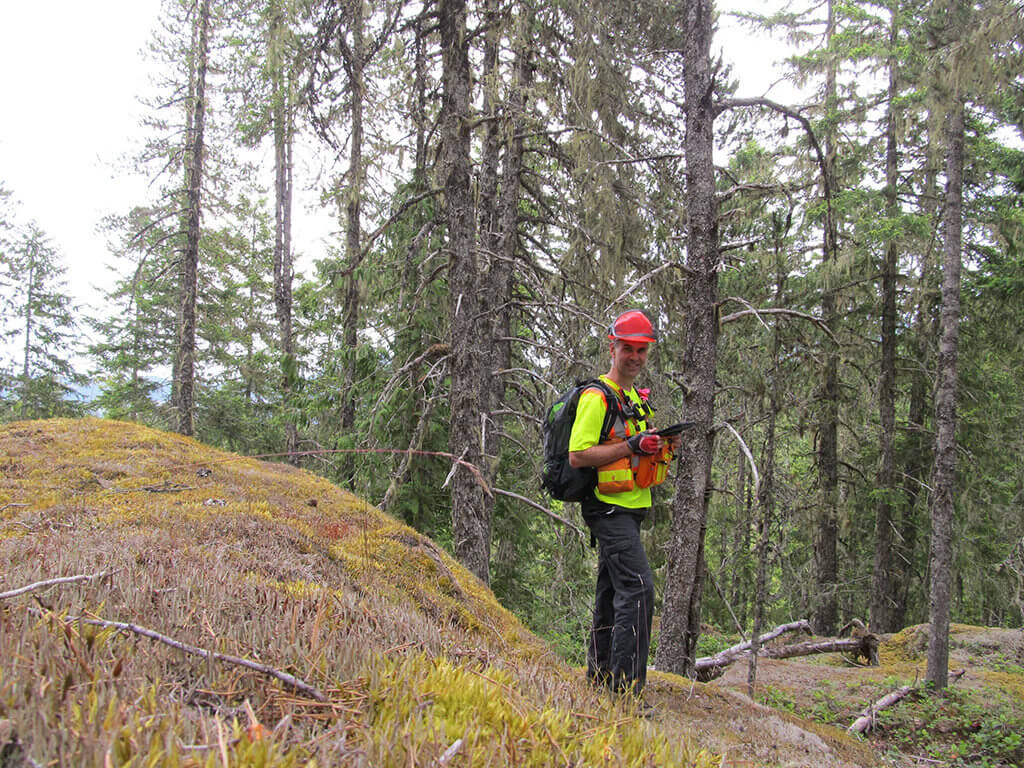
Another suitable ergonomic addition to our Rocktab series is our Ruxton Pack. A unique chest carrying system that keeps your hands free and is safe and comfortable to use even in extreme environments.
Your tablet remains secure and you can also carry a rucksack on your back. The Ruxton Pack is also available in a high-visibility orange version with reflective strips.
Conclusion
Modern technology is indispensable in forest and wildland firefighting. Drones and satellite images support the fire department in the early detection and monitoring of fires, which can enable a targeted and rapid response. Mobile products in combination with map apps such as Avenza Maps help emergency crews to find their way around rough terrain and implement response plans efficiently.
Particularly robust tablets such as the Rocktab series offer reliable support even under extreme conditions thanks to their durability and long operating time. In combination with the Ruxton Pack, emergency personnel have their hands free and can carry the tablet safely and ergonomically. The integration of these special tools not only improves coordination and safety in the field, but also helps to minimize the damage caused by fires. All in all, it is clear that strategic forest firefighting is almost inconceivable today without special digital tools. In the future, AI (artificial intelligence) will make this even more efficient and faster, so that fires can be detected and controlled even more quickly.
If you have any further questions, we will be happy to assist you as experts: contact us here for a free expert consultation.