




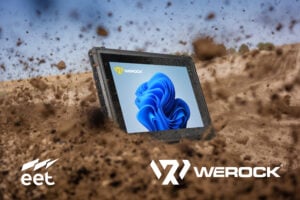

In our fast-paced, digitalized world, efficiency is the key to success. Companies that work with modern merchandise management are increasingly relying on innovative solutions such as mobile data capture – or MDC for short. These tailor-made systems are the key to optimizing processes, saving resources and remaining competitive on the market in the long term.
Why mobile data collection is indispensable
Mobile data collection devices are compact all-rounders that impress with their precision and versatility. They not only save time and money, but also make work processes more efficient and uncomplicated. Once you’ve used them, you’ll soon realize that it’s hard to imagine working without these little helpers.
Imagine your process-related data being available anytime and anywhere – exactly when you need it. This is not a vision, but the reality of modern mobile data collection (MDC). With this concept, employees can access important system data regardless of their location and thus make processes faster and more error-free.
The most important advantages at a glance:
- No double data entry: reduction of error sources.
- Digital data processing: avoiding media discontinuities.
- Efficient route guidance: optimization of routes and empty runs.
- Error-free data entry: Automatic plausibility checks.
- Always up-to-date data: Central data storage for more transparency.
- Greater process efficiency: better planning and implementation.
- Cost reduction: uncovering potential savings.
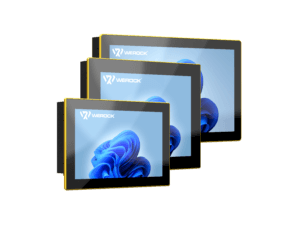
WEROCK Technologies GmbH specializes in robust solutions for mobile data collection in demanding industrial environments. The products are not just tools, but real helpers for data-intensive tasks in a wide range of sectors. Whether in logistics, retail, industry or healthcare – the possible applications are very diverse.
Your key to efficiency and competitiveness
With MDE solutions, you get the best out of your work processes. You save time, avoid errors and create a basis for smooth processes. And best of all, the modern mobile data capture from WEROCK products are so easy to use, offer innovative functions and have the perfect accessories that they quickly become indispensable companions in everyday working life. In this article, we take a closer look at the world of mobile data capture, show you its advantages and inspire you with possible applications.
Products for mobile data collection: Flexible helpers for different applications
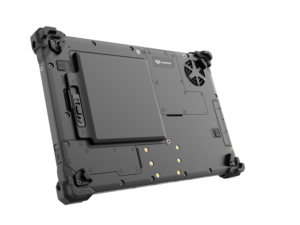
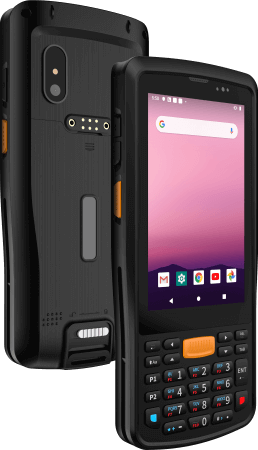
An MDC device is a compact, mobile computer that can be equipped with various capture technologies such as barcode scanners, RFID readers, NFCs or cameras, depending on requirements. The devices are available in different sizes and designs in order to adapt optimally to different areas of application. Depending on requirements, models with multi-touch displays or with different keyboard types are available. They are usually available as classic handheld scanners, in the form of smartphones with or without a keyboard.

The possible applications are diverse and are used in the following areas, among others:
- Warehouse management: goods receipt, withdrawal, dispatch, inventory and picking
- Shelf management
- Price management
- Patient and sample management
- Parcel collection and delivery
- Service automation in field service
- Meter reading
- Production: feedback on production steps and processes
With their versatility, MDC devices support the efficient handling of numerous work processes in different industries.
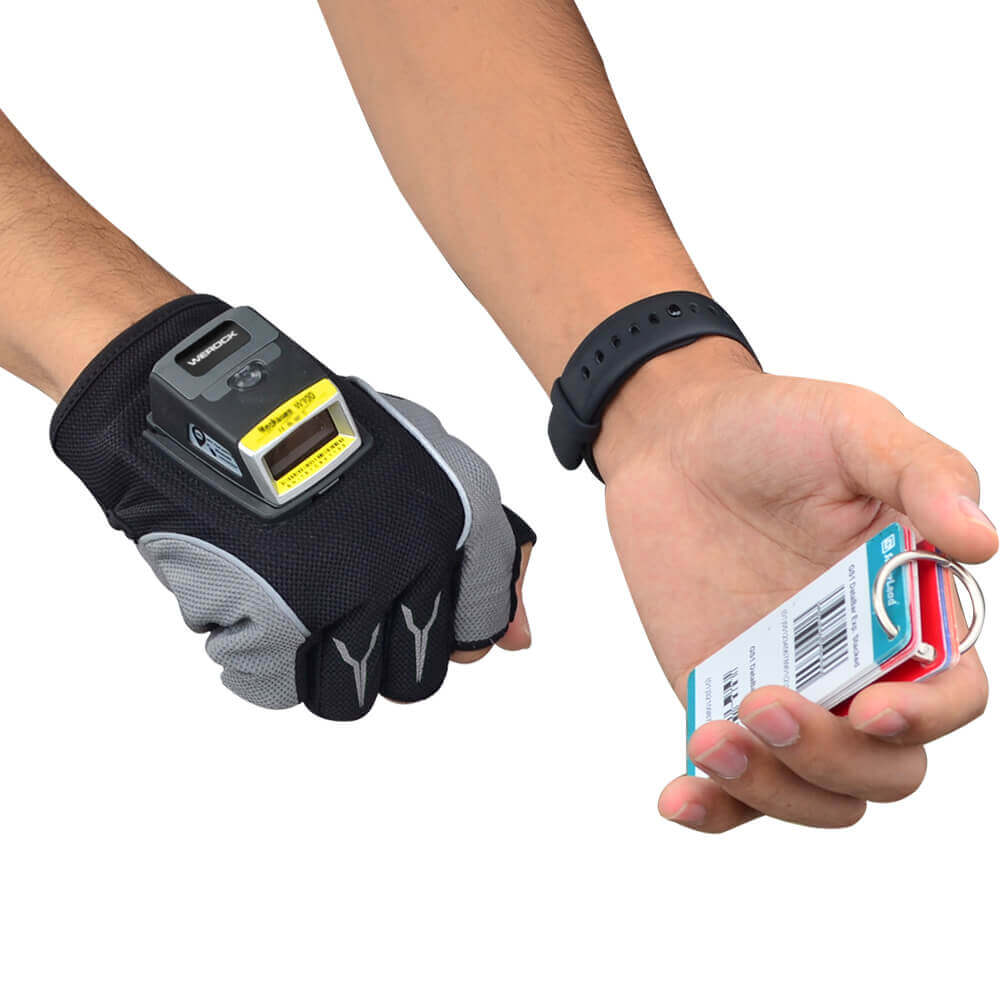
MDE devices such as hand-held and back-of-hand scanners are equipped with their own operating system, which has low hardware requirements and communicates with a backend system such as an ERP or CRM system. Data can be captured via barcodes, RFID transponders, NFC or manual keyboard input, stored in the device and processed.
Data is usually transferred online via connections such as WLAN, WPAN (Bluetooth) or WWAN (UMTS/GSM/GPRS). If no wireless network is available, the data can be saved offline and transferred later via a docking station using a batch process.
Two approaches are available for mobile order processing:
- The push method: Orders are automatically transferred to the end device. The user is instructed to process the order, for example in the field. A priority list is created by office staff, who assign the orders to the available field staff.
- Pull procedure: The user independently retrieves orders from the system. After completing an order, they report completion to the ERP system and can download a new order.
Both methods offer flexible options for optimizing work processes, depending on the company’s requirements.
Connection options for MDC devices
Three options are available for establishing a WLAN connection for a mobile data recording device:
- Terminal connection
- Remote desktop connection
- Web-based application
If a WLAN connection is not possible, offline or batch data collectors can be used. This method is often used for stocktaking. The recorded data is stored in the device and later transferred via a docking station (cradle or charging/transfer station) to an ERP system or in formats such as Excel or Windows documents.
The following interfaces are available for data transmission:
- USB
- Serial RS232 COM port connection
- Ethernet (network connection)
What you should look out for before buying an MDC device
If you are planning to use MDC devices in your business, a few key questions should be clarified before making a purchase. These considerations will help you to find the right device for your requirements.
First of all, you should consider in which areas and for which purposes the MDC devices are to be used. Different tasks require different configurations.
- Warehouse management: For tasks such as storage and retrieval, an integrated barcode scanner, a stable WLAN connection and often an ergonomic pistol grip are useful.
- Delivery: Functions such as mobile communications, GPS and the ability to capture signatures are important here.
As many devices cannot be adapted retrospectively, it is advisable to tailor the configuration to the specific requirements of your employees from the outset.
Is the device used in demanding environments?
The environmental conditions at the place of use play an important role. Devices that are used in the field or in harsh environments must be robust enough to function reliably and prevent failures. A defective device can not only interrupt work, but also lead to additional repair or replacement costs.
Protection against dust, water and other influences
Devices with special protection are required for working environments with high environmental impact, such as those found in forestry, logistics or workshops. Dust, water, rain or snow must not impair functionality.
The protection class of a device is indicated by the so-called IP protection classification. This provides information on how resistant the device is to external influences. Make sure that the device meets the requirements of your working environment.
An overview of the IP protection classifications can be found in our special article under point 13.3: Click here
With these tips, you will find an MDC device that meets the needs of your company and works reliably over the long term. Products with IP65 certification are dustproof and offer protection against water jets from all directions.
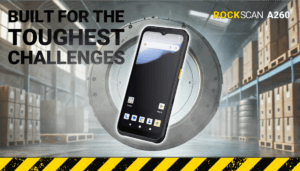
These properties make it ideal for use in environments with a lot of dust or moisture. The IP protection classification helps to assess whether and to what extent a device is protected against such influences. Our mobile data capture products are all IP65-rated and are therefore ideally suited. In addition, our mobile computer handhelds Rockscan A260 and Rockscan A265 are IP67 rated, which means that they are both dustproof and protected against temporary immersion in water (up to 30 minutes).
Protection against falls, shocks and vibrations
If MDC devices are used in vehicles such as forklift trucks or cranes, they must be able to withstand vibrations. It is also important that the devices are robust enough to withstand drops. Especially in warehouses, where employees move quickly and perform numerous tasks such as loading and unloading, stocktaking or order picking, devices can easily fall.
To ensure that the devices can withstand these loads, it is advisable to pay attention to the MIL-STD certification. This certification according to the US military standard is a recognized test procedure for robust devices. The MIL-STD-810 test standard, which takes into account various environmental influences such as air pressure, solar radiation, acceleration, vibrations and drop height, is particularly relevant.
By checking these criteria, you can ensure that the devices you select are suitable for your working environment and can cope with the demands of everyday use.
The temperature range
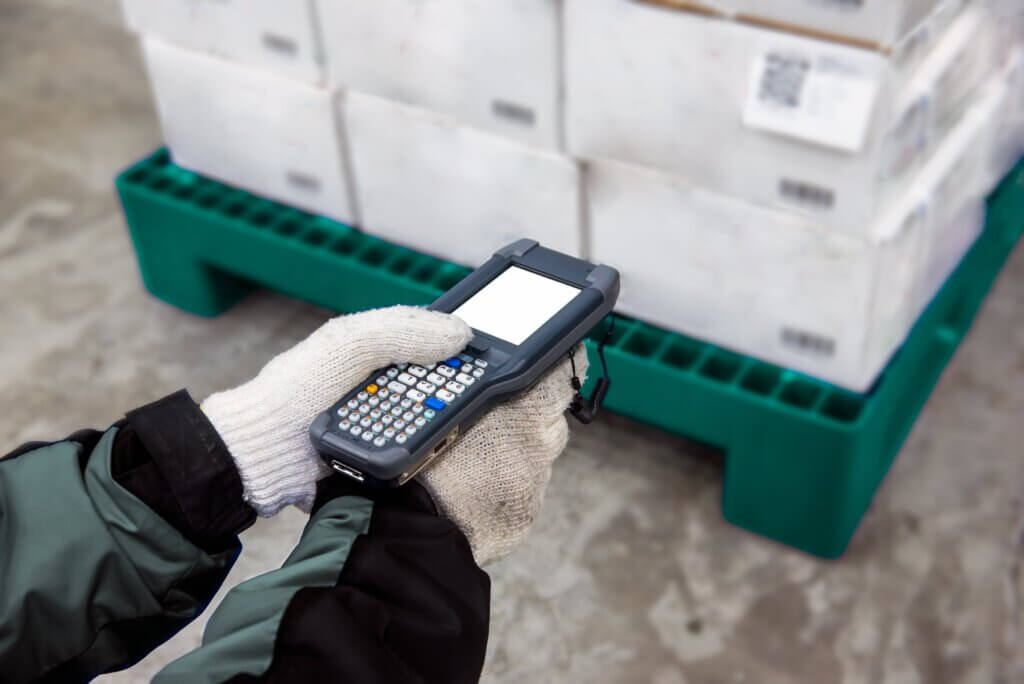
The temperature range is a decisive factor if MDC devices are to be used in environments with extreme temperatures, such as in deep-freeze warehouses or fire departments. Make sure that the devices cover an operating temperature range of at least -10 °C to 50 °C.
Also take into account whether the locations where the devices will be used are subject to large temperature fluctuations or temperature shocks. In such cases, the devices should be appropriately resistant in order to function without problems. If no specific information is provided on the temperature range, a military standard certification can be an indication of the product’s temperature resistance.
Battery runtimes
For continuous field use or long working shifts, the battery capacity of an MDC device is an important factor. A sufficiently long battery life enables employees to work without interruptions and complete tasks smoothly, which supports the efficiency and productivity of work processes.
Important aspects for choosing a suitable mobile data capture device
Data entry: What options are available?
Data entry is the central function of an MDC device. Depending on the model, various data entry options can be combined.
The most common variants on the market are
- Barcode scanner: Suitable for reading 1D barcodes. These scanners are usually integrated into the device and have a maximum reading distance of less than one meter. Typical areas of application are the scanning of barcode labels on pallets or the scanning of storage locations in warehouse racks.
- 2D imagers: These scanners can read both 1D and 2D barcodes such as QR or DataMatrix codes. They are particularly useful in industry. The purchase price is generally higher than for barcode scanners.
- RFID scanners: RFID scanners can be used to read and write transponder chips. There are variants for HF (High Frequency, up to 1.5 m reading distance) and UHF (Ultra High Frequency, up to 10 m reading distance).
Operating system: Windows or Android?
Two operating systems are particularly common in the field of rugged mobile devices:
- Windows: Provides access to standardized desktop programs and a wide selection of manufacturers.
- Android: Has become increasingly important in recent years. Very popular with mobile data collection devices thanks to the latest versions and security options.
Keyboard or multi-touch: Which variant suits your application?
MDC devices are available with numeric or alphanumeric keyboards as well as multi-touch versions:
-
- Numeric keypads are ideal for simple applications such as stocktaking, where article numbers are scanned and quantities typed in.
- Alphanumeric keyboards are more suitable for text-intensive applications. There are various layout options that can be selected depending on requirements.
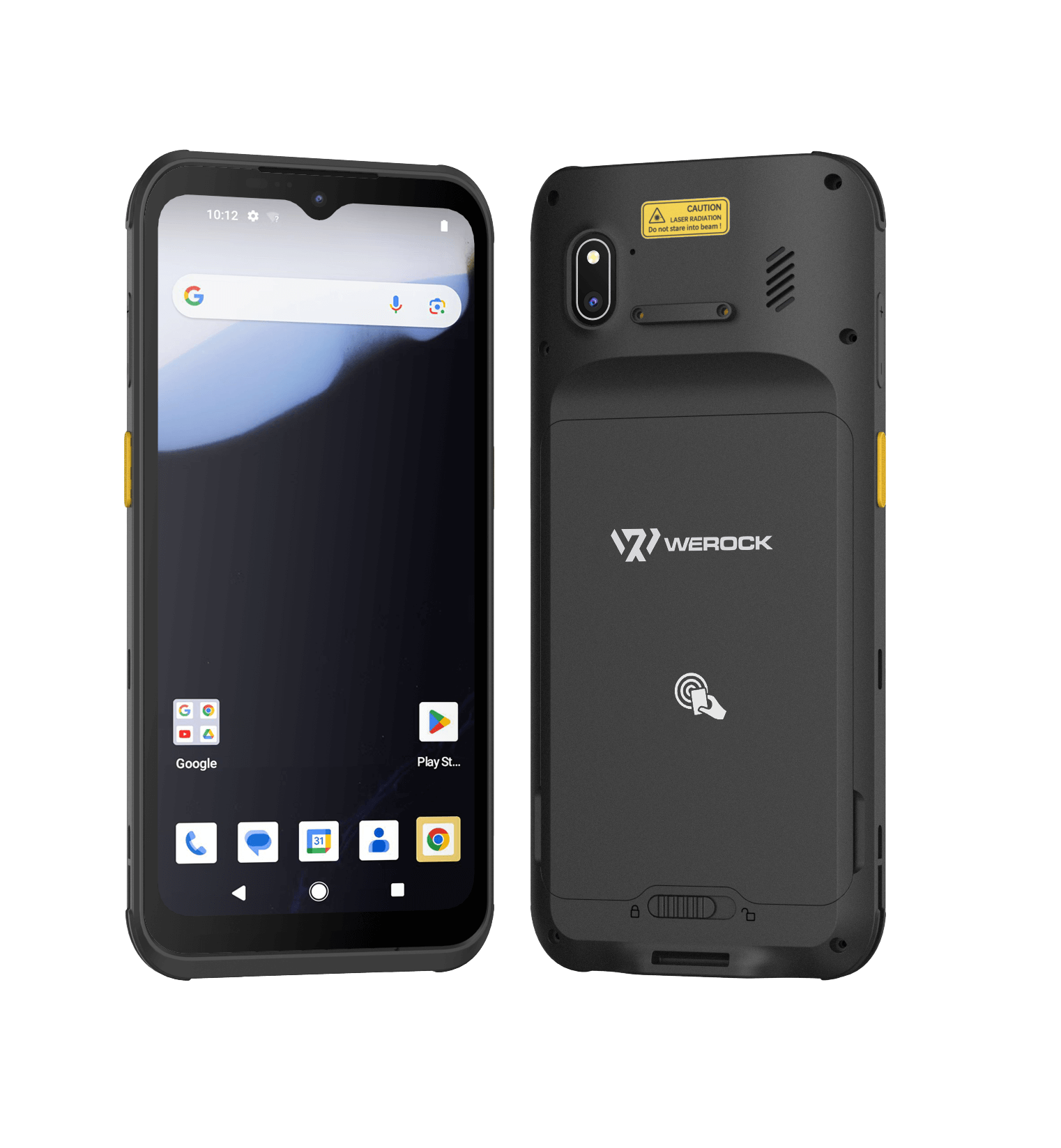
- Multitouch displays are easy to operate as they are similar to a smartphone and allow gesture control. The multi-touch displays can usually also be operated with gloves.
Ergonomics: consider height and weight
Ergonomic factors contribute significantly to working comfort. The size and weight of a device should suit both the task and the user.
- Compact and lightweight devices generally increase handling, comfort and efficiency.
- However, care should be taken with keyboards: Small or closely spaced keys can be impractical for employees with larger hands.
Conclusion
Mobile data collection enables companies to collect and analyze data directly on site. This leads to greater efficiency, fewer errors and better decision-making. By using mobile devices, companies can make their processes more flexible and respond more quickly to customer requirements. You can find a selection of our mobile data capture solutions here: https://www.werocktools.com/mobile-data-collection/
Would you like to improve your business processes and save costs? With mobile data capture, you can optimize your work processes in a targeted manner and thus strengthen your competitiveness. Contact us to find out how we can support you with the implementation free of charge.