



Barcode scanning is a key technology in industries such as logistics, retail, manufacturing and healthcare. With handheld barcode scanners, wearable barcode scanners and handheld PDAs, processes can be designed efficiently – provided that the devices function properly. In this article, we highlight the five most common problems with barcode scanning, provide practical examples and show how they can be solved.
Unreadable Barcodes
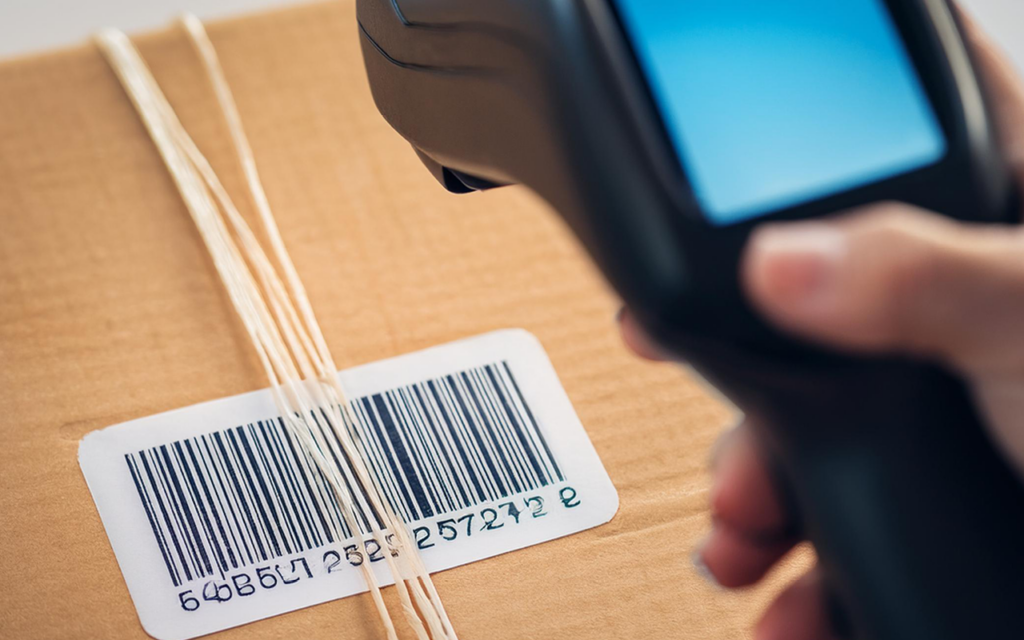
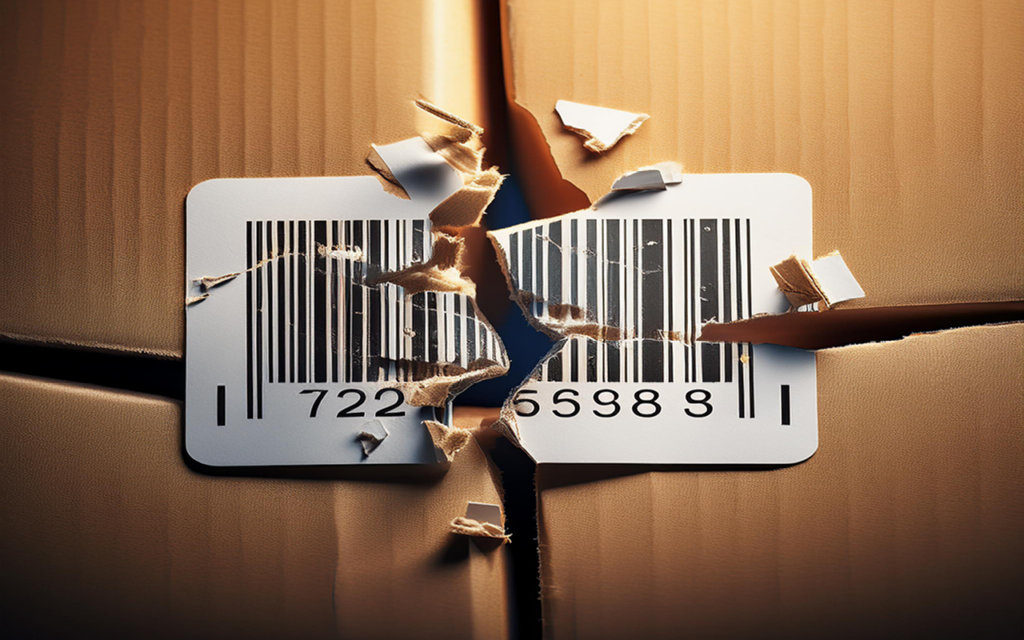
One common issue is unreadable barcodes. This can be caused by a number of things, including poor print quality, damage or dirt.
Example: A warehouse worker tries to scan the barcode on a pallet, but the labels have been damaged during transport. The handheld barcode scanner does not recognize the code, which delays shipping.
Solution: Use high-quality printers and durable materials for your barcodes. Modern handheld barcode scanners and wearable barcode scanners have powerful scanning engines that can reliably read even damaged or dirty barcodes.
Wrong barcode types
Sometimes barcodes are used that are not supported by the scanners used. This causes problems when reading them.
Example: In a retail store, a new supplier introduces products with QR codes. However, the existing laser scanners only support EAN-13 barcodes, so the products cannot be scanned.
Solution: Use modern scanners such as handheld PDAs or wearable barcode scanners that support multiple barcode types. Devices with multi-code scanning capability can easily read QR codes, EAN codes and even special industrial barcodes.
Poor lighting
Unfavorable lighting conditions can not only affect the barcode scanner, but also make it more difficult for the employee to see the barcode. While modern scanners have integrated lighting and targeting (LED or laser), older laser scanners often lack this feature.

Example: An employee in a poorly lit warehouse is trying to scan a barcode on a shelf. With an older laser scanner without lighting, he cannot find the code and spends an unnecessary amount of time guessing the position of the barcode. This slows down workflows considerably.
Solution: Use modern handheld barcode scanners or wearable barcode scanners that have integrated lighting and precise targeting. These not only help to quickly capture the barcode, but also make working in poorly lit areas more efficient. Alternatively, better lighting in the work area combined with robust devices can further optimize the workflow.
Unsuitable barcode size
The size of the barcode plays a crucial role. A barcode that is too small cannot be captured by some scanners if the distance is too great. Conversely, a barcode that is too large can cause problems if the scanner is positioned too close to the code.
Example: A field technician tries to scan the barcode of a machine in a hard-to-reach area. The barcode is so small that the handheld PDA cannot recognize any details at that distance.
Solution: Choose barcodes with an optimal size and make sure that your handheld barcode scanner or portable PDA meets the scanning requirements. Modern devices support flexible scanning distances and different barcode sizes.
Outdated or defective scanners
Although many scanners are built to last, older devices may not always be able to handle the latest barcode types. Physical defects can also cause problems.
Example: A warehouse uses older scanners that cannot read 2D barcodes. This causes delays because employees have to enter the data manually.
Solution: Instead of continuing to use old hardware, companies benefit from switching to modern devices such as our handheld barcode scanners, wearable barcode scanners or handheld PDAs. These are robust, versatile and designed to meet the demands of modern working environments. Together with you, we will find the optimal solution that not only increases your efficiency but also future-proofs your processes.
Conclusion: barcode scanning for every challenge
Whether handheld barcode scanners, wearable barcode scanners or handheld PDAs – choosing the right device is crucial for efficient barcode scanning processes. Our products are designed to be flexible, robust and adaptable. Together with you, we develop the perfect solution to meet your individual requirements.
Our barcode scanner solutions
- Wearable barcode scanners: Hands-free working for maximum efficiency.
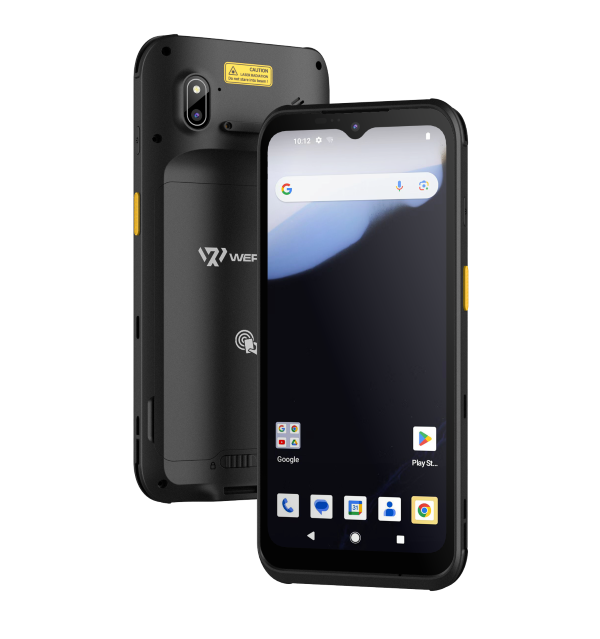
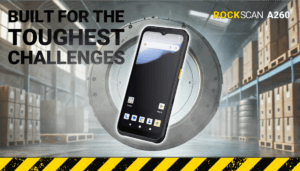
- Handheld PDAs: All-in-one devices with barcode scanners and mobile data capture.
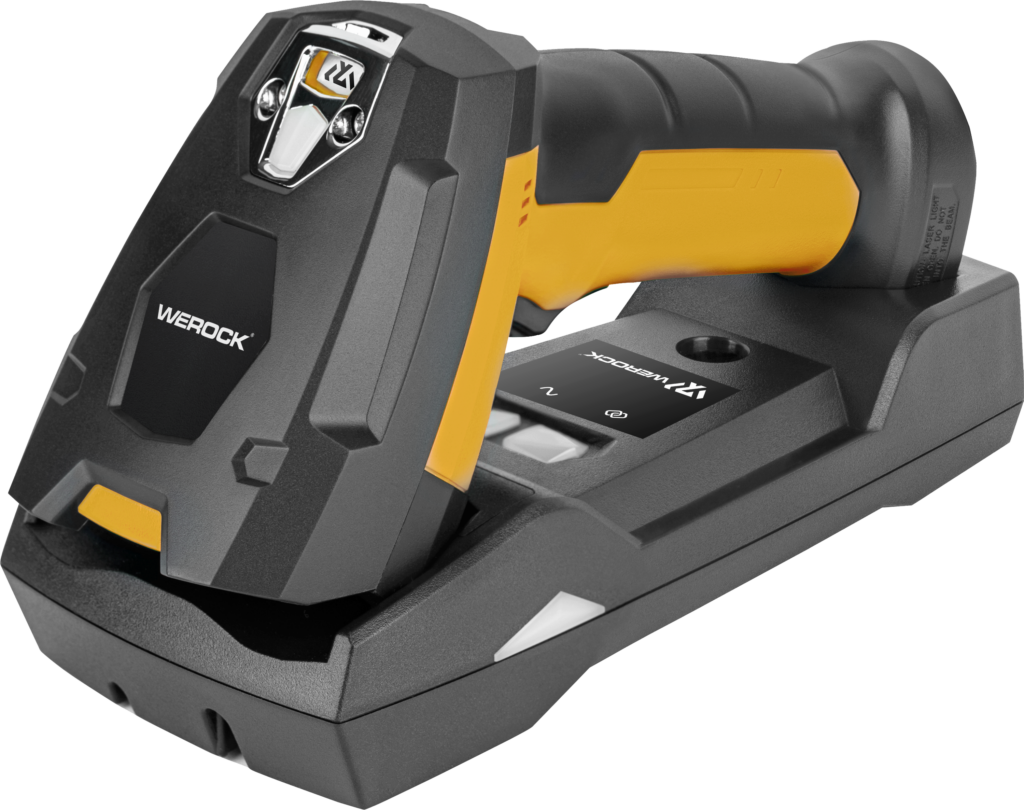
- Handheld barcode scanners: Ultra rugged devices for rough environments
Contact us for an individual consultation – we will help you find the right solution for your scenario, whether you are digitizing your process from scratch or optimizing an existing one.